

5 courses
Robotics
From first circuits and motor control through sensors and line followers to robot arms and autonomous drones. This is the subject that carries the BCS Level 1 Robotics Award, and the one that needs kits.
A tier is defined by how many of the nineteen courses you can deliver. Everything else follows from that: the price per student licence, how many locations you can run, and what territory protection you get.

One licence is one student enrolled in one course for one contract year. Licences are bought in blocks of 50 and repurchased at renewal. All prices in pounds sterling, exclusive of any local taxes.
Partnership fee, the smallest licence purchase that tier allows, and twelve months of platform for a single location. Kits, examinations, extra locations and teacher certification are additional.
Roughly 25 guided learning hours each. Courses within a subject run in order, because each one assumes the build before it. Across subjects you can mix freely within whatever your tier allows.
From first circuits and motor control through sensors and line followers to robot arms and autonomous drones. This is the subject that carries the BCS Level 1 Robotics Award, and the one that needs kits.

Minecraft and redstone logic for the youngest, then Roblox, then Unity and Unreal for students ready to ship something someone else can play. No kit required, which makes it the cheapest subject to run.
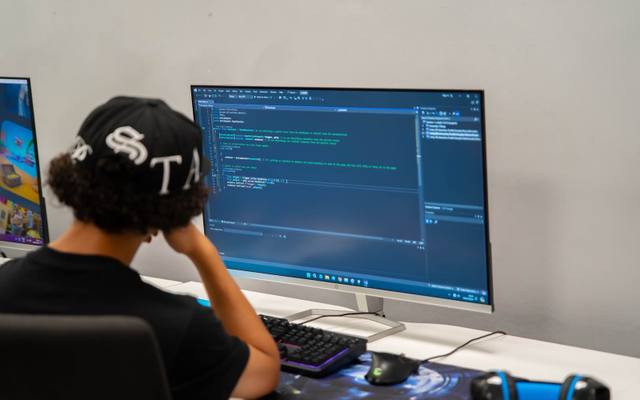
Machine learning taught through projects rather than theory: image classifiers, chatbots, and a fairly blunt look at what these models are and are not doing.

Network safety, ethical hacking principles and defensive coding, kept practical throughout. Popular with older students and with parents who worry about exactly this.
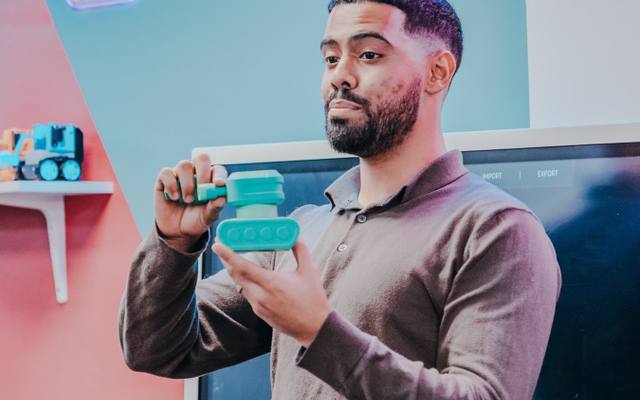
Design, print, test, iterate. Students end up with a physical part they engineered, which is unreasonably effective at open days.

The academic track, aligned to GCSE specifications. Plus a Younger Programme for ages six to nine that feeds the rest of the catalogue.
Course selection is confirmed at onboarding and can change at renewal. Your tier sets how many you can run, not which ones.
If committing to a tier is premature, you can licence individual courses at £15,000 per course per year, up to three courses, at one location.
It is deliberately priced above the tier rate. At Starter you are paying £12,500 a course; at Professional, £5,000. So if you want more than one course, a fixed tier is materially cheaper and we would rather you took it. Pay per course exists for proof-of-concept deployments and single-subject specialists, not as a way to buy the catalogue in pieces.
You can roll into a fixed tier at any point by paying the difference between what you have paid so far and that tier's annual fee. The contract clock resets.
Partners in Saudi Arabia, the UAE, Kuwait, Qatar, Bahrain and Oman take the same four tiers at the same prices, with Modern Standard Arabic localisation added as a one-time setup fee at signing.
Additional languages, and cultural adaptation of the curriculum beyond translation, are quoted separately. BCS examinations are sat in English regardless of the language the course is taught in, which is worth factoring into your entry requirements.
| What one licence is | One licence is one Robocoder enrolled in one course for one contract year. |
| Licence increments | Blocks of 50 |
| Licence expiry | End of each contract year |
| Minimum utilisation to renew | 70% |
| Upgrading a tier | Pay the difference, contract clock resets |
| Downgrading a tier | At renewal only |
| Cancellation after signing | 5% fee, no refunds |
| Course order | Courses within a subject follow their prerequisites |
| Course selection | Confirmed at onboarding, changed at renewal |